Pelvic Floor Revisited: Spiraling In - 7 - Strong Floor, Easy Chest, Smart Psoas, Sideways

Pelvic Floor Revisited: Spiraling In - 7 - Strong Floor, Easy Chest, Smart Psoas, Sideways
Skillfully connecting legs, pelvis, chest through the psoas and breath
Based on “AY 97, Optimal Lifting of the Knees” by Moshe Feldenkrais and taught by Deborah Bowes, GCFT®/PT
Build on last week’s lesson of supine heel-lifting to sync the mysterious psoas and breathing. Apply your legs’ weight in slow, eccentric contractions to strengthen the pelvic floor and spinal muscles for supported, sustainable movement.
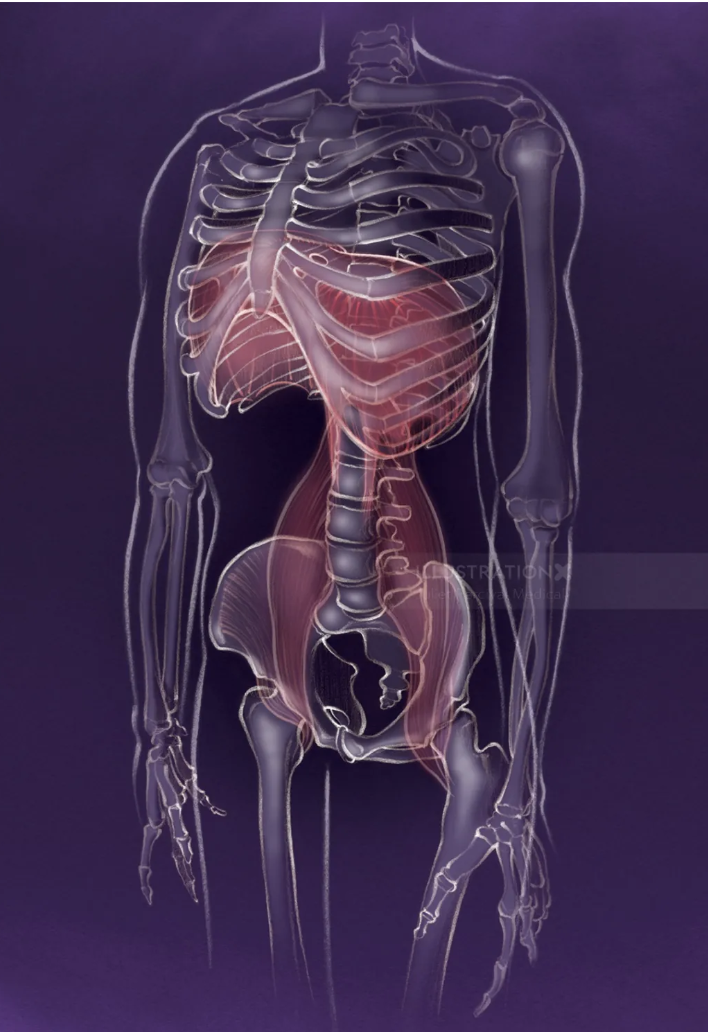
The respiratory diaphragm and psoas create a connected system
Skillfully connecting the pelvis, spine and back to accommodate the action of the knees requires the actions of the mysterious psoas muscle. Your psoas muscles link your spine to your lower body and connect muscles deeper inside your body to ones closer to the surface of your skin. They’re like a bridge in the center of your body that connects lots of parts and helps you perform motions that use your abdomen and legs at the same time to stabilize your posture and move your hips and upper legs. Their functions include: stabilizing lower back in sitting, down, flexing and releasing the pelvis, lifting the legs, and stabilizing the femur in the hip socket.
Like the pelvic floor, through which it passes, the psoas also has a direct relationship to respiratory diaphragm. The diaphragm’s tendinous legs (crura) attach directly to the lumbar spine, weaving into the exact same fascial lines as the psoas. Additionally, the diaphragm’s ligament wraps directly over the top of the psoas.
When you inhale, your diaphragm descends, allowing the psoas to lengthen and stabilize the slightly arching lower back. On the exhale, the psoas releases as the diaphragm pulls up the front of the body, with the abs, glutes and spinal muscles stabilizing. Note: When stressed, the psoas contracts to pull the body into a fetal position, while the diaphragm shifts into shallow, rapid breaths and the pelvic floor tightens (or loosens if perpetual tightness weakens the muscle.)

Optimal use of the knees. source: target your rectus abdominus with 3 Ab Exercises
The psoas is difficult to access, but this lesson gets right in there. Repeating the start of the lesson from last week, will will be lying on the back, inhaling/lifting and exhaling/releasing the toes to connect ground forces from the feet to the spine. The pelvis does not rock: it’s the femurs rolling in the hip socket that helps bring awareness to the psoas and heightened awareness of the stabilized spine stacking up on the exhale/toe release. The heavy pelvis constraint asks the chest - and pelvic floor - to take up the movement to balance the weight of the legs. That is stage one.
Stage two ups the ante by rolling the legs AND pelvis towards the center. Now, on the inhale the weight of the pelvis shifts, the psoas kicks as the knees lift. But the pelvic floor system has to kick in to support the weight of the legs as the knees come towards the core.
We will do this pelvic rocking on our back and on both sides. The side lying variation is very interesting for feeling the side to side balance of the hips and leg alignment. At least it was for me.
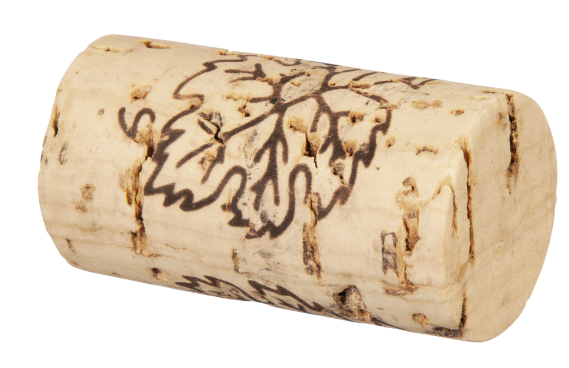
This lesson is yet another opportunity to harmonize pelvic support, ground forces, and circle muscles down the digestive tract. Synchronizing these actions begets smoother peristalsis and more conscious elimination. Bring your cork if you like practicing soft face and lips.

Visualizing the spine as a pyramid, with psoas connecting femur to spine for supporting the legs Source: Anatomy and Asana: Preventing Yoga .

Visualizing the front support system, from leg through pelvis to chest. This support allows you to breathe and move.
Source: Anatomy and Asana: Preventing Yoga
Science Nerd Candy Bowl:
Target Your Rectus Abdominis with 3 Ab Exercises (useful up to 1:45)
Hanging Leg Raises (shows relationship of psoas from femur to spine to help elucidate ‘spine as pyramid’)
The Diaphragm & Psoas Muscles, How to Release Tight Hip Flexors, How Breathing Affects Low Back Pain - Dr. Katrina, Pelvic Floor Therapist, (8:38) Useful animation and explanation of the relationship between the psoas, respiratory diaphraghm and spine and how misalignments can lead to back pain
Best Psoas & Diaphragm Exercise for Improved Breathing - Tune Up Fitness (5:38) - an anatomical review of the relationship between the psoas, respiratory diaphragm, and pelvic floor (0:32-1:15), demonstration of strengthening exercises very much like this lesson
Take this one slowly. The lesson is simple, but also challenging. The connections between leg, hip, chest, and head (including neck and jaw) may be surprising and frustrating. Good thing you are starting now!
Set Up for Supine and Side-lying Lesson:
Lying on a mat with support for head and legs as needed
Extra head support for side lying (both sides)
OR Leaning back in a comfortable chair so head and neck are supported
Blankets and socks as needed
How you might feel after this lesson: Tuned into your root chakra/pelvic floor, New sense of the coordination of breath and pelvic floor contraction and release; Sense of the pelvic floor as a muscle group; Connected from pelvic floor up the center line to the head; Softer lips!; Better understanding of how timing the exhale and glute grab enables tremendous core power; Sense of when the pelvic floor is relaxing.