Learning from Trees - 3 - Roots Down, Heels Sinking
Learning from Trees - 3 - Roots Down, Heels Sinking
The heaviest bone in the foot is made to respond to gravity
Based on “ATM Lesson #304: The foot and its movements in space” by Moshe Feldenkrais as taught by Lynette Reid GCFP®
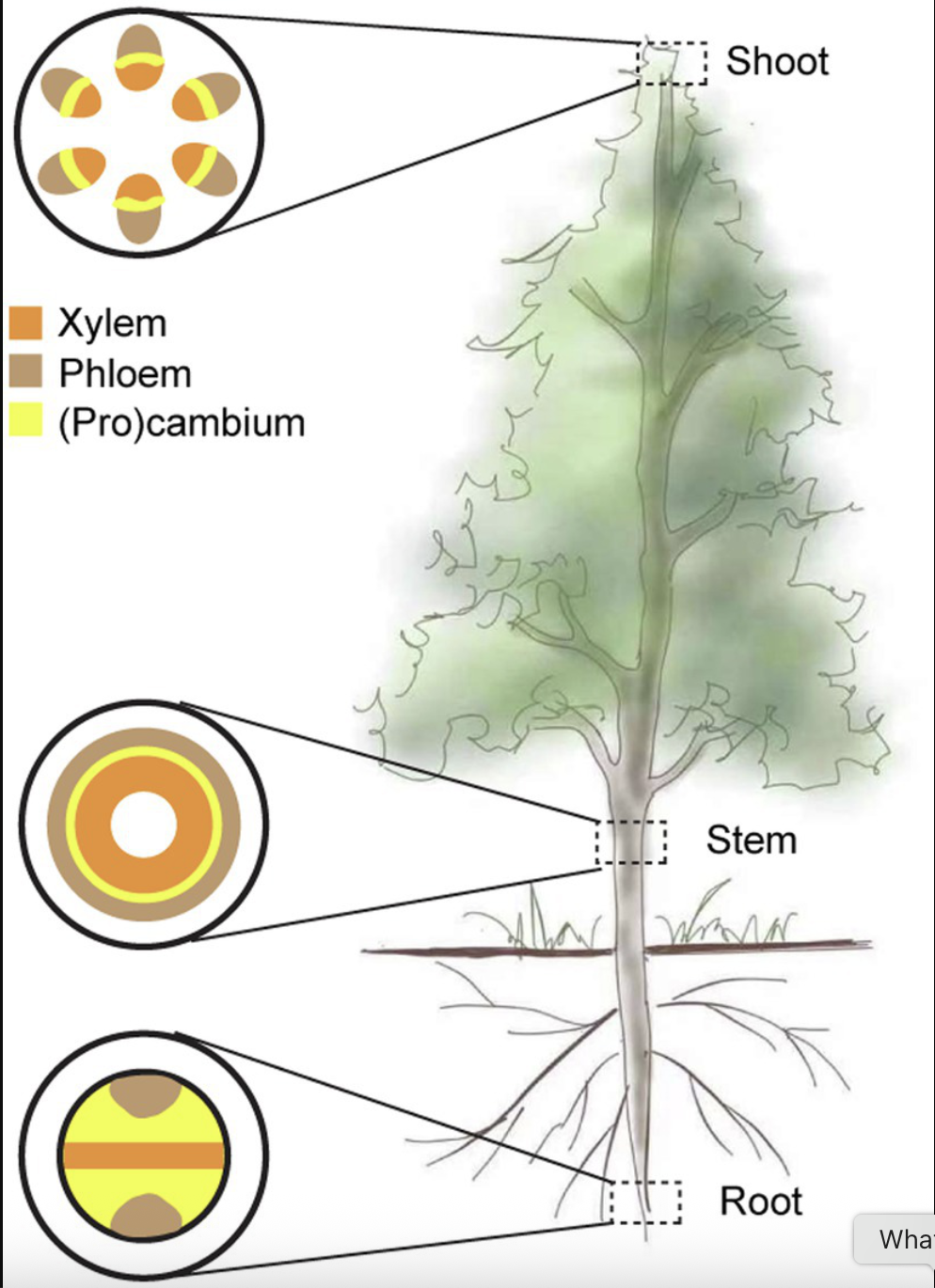
Gravitropism is defined as a plant growth response that directs shoots upward and roots downward, allowing each organ to access environments suitable for their primary functions. In both shoots and roots, gravity is sensed by statocytes. These cells, found in the columella of the root tip and the endodermis of the shoot, contain starch-storing plastids called amyloplasts that upon plant inclination sediment in the direction of gravity and then trigger differential growth. .. [P]rimary and lateral roots to respond differentially. Once the primary root is initiated, it responds to gravity with a vertical growth orientation, whereas lateral roots grow at a nearly horizontal orientation when they emerge from the primary root. As they elongate, the roots slowly curve until they eventually reach a vertical orientation.
This is a stretch, and it made more sense yesterday than today, but here goes: Gravity’s pull works on the heel in a similar way. The largest bone in the foot, a rocker at that, is tuned to sink as the weight of the body drops and presses against the ground forces. But do we really notice?
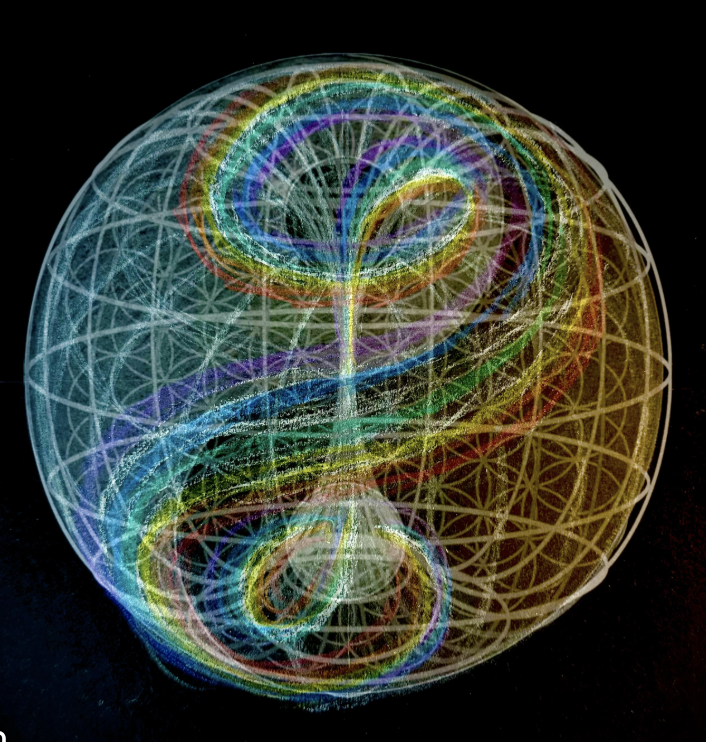
The energetic torus of a plant as water ascends and food circulates and descends.
Just like roots affect the entire tree, so feet affect the entire trunk, arms and crown. While roots grow down, or horizontally as required by the soil, wetness, species and habit, feet are constantly adapating to the ground below. The feet are well-represented in the motor cortex with an estimated 200,000 sensory nerve endings in the sole of each foot. These nerves provide your brain with constant feedback about temperature, pressure, and texture, which allows your body to maintain balance and make constant postural adjustments while walking.
But how aware we of our feet and how the feet manage our relationship to gravity? This lesson is about sinking the heel in gravity without contact with the floor, setting up an opportunity to see how the feet are really working. It’s an intense ankle and lower leg exploration that can apply to balance, leg and hip use, up the spine and into the torso. Of course we will be thinking about the energetic torus created by the breath moving in opposition to the ground forces. And in the center of all that, the pelvic floor.
The original version of this lesson is done on the belly, but I found it very difficult. So we will try it first on the back, drawing the leg up so the lower leg and foot hang. From there, we bend and flex the ankle, which is easy. Gliding the foot side to side parallel to the floor is a real challenge. Expect some popping and cracking; this might be very tiring as under-appreciated muscles and tendons get a whole lot of attention.
This is a one-sided lesson. If you are right handed, and you tend to rest on your left leg, it’s all about the right foot. Lefties focus on the left foot. Seems unbalanced, but it all works out.

Feet get a lot of motor cortex allocation as they constantly monitor the stability of the ground beneath and press the ground forces up for locomation
We will use the kidney healing sound: choooooo to help amplify your awareness.
Science Nerd Candy Bowl:
The Tree Listener - Maple Hill Tree - at 4:05 we hear the sound of liquids flowing in a Copper Beech tree
SOUNDS FROM THE TREE (Bio Acoustics Of Plants) - Sonoquilibrium - (2:01) Just like it says - the sounds from inside a tree
Ultimate Torus Animation - Leianne Wilson (1:42) - how the torus builds energy flows into a closed system
Set up for supine lesson with feet lifted and dangling:
Lying on back holding right leg to chest with foot dangling free
Sitting on a chair holding right leg to chest with foot dangling free
Sitting on a chair with a rolled blanket or other support lifting thigh up so foot dangles free.
How you might feel after this lesson: Feeling taller with each breath; A new awareness and appreciation for ankles, heels and shins, Softer feet that make more complete contact with ground; Connecting feet to pelvic floor crown energetically; Relating pelvic floor to balance and power; A moment of relationship with nature and trees?