Learning from Trees - 7 - Alternate or Opposite as a Way of Being
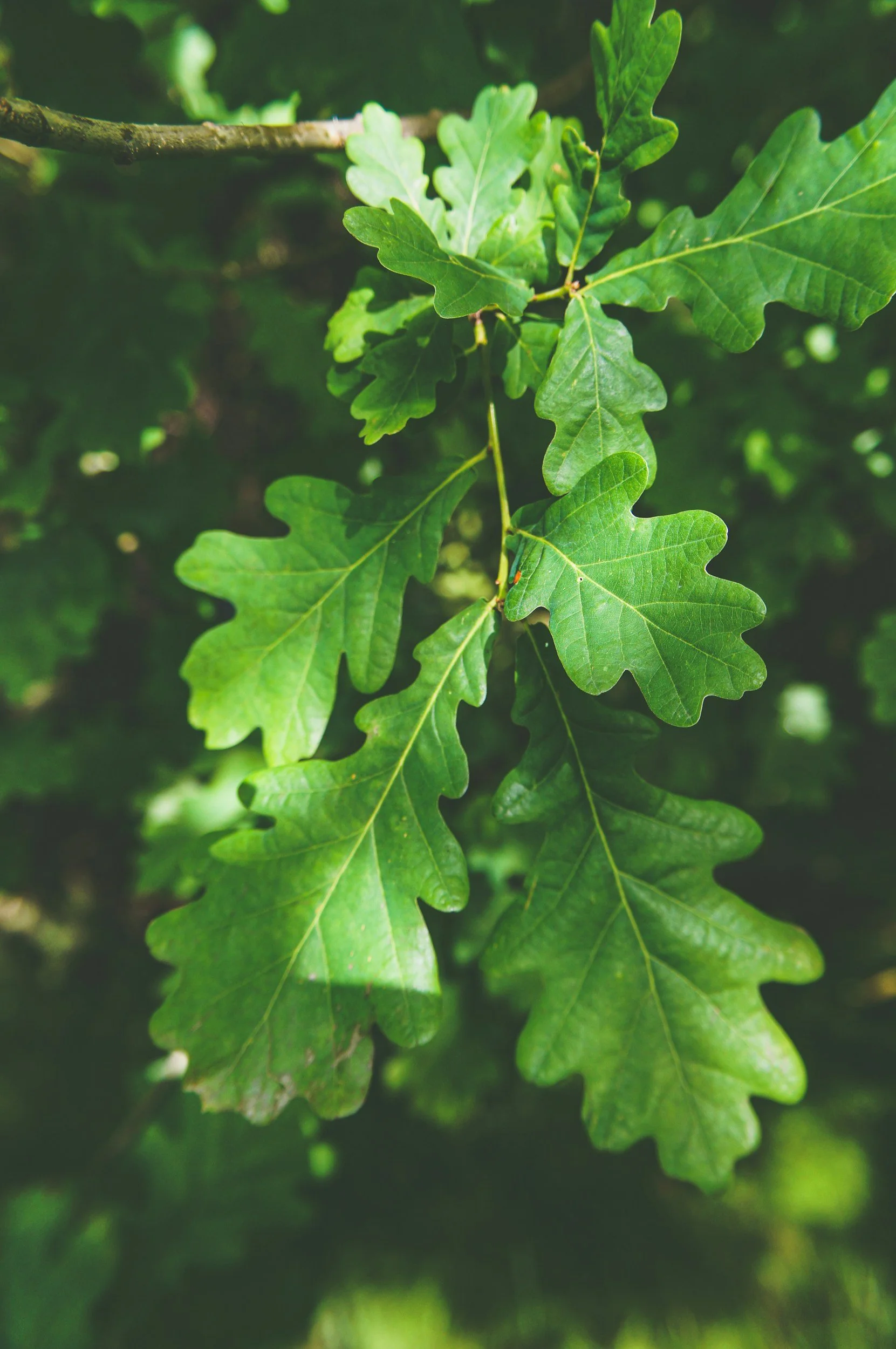
Oaks, birches, cherries’ leaves alternate down the stemp
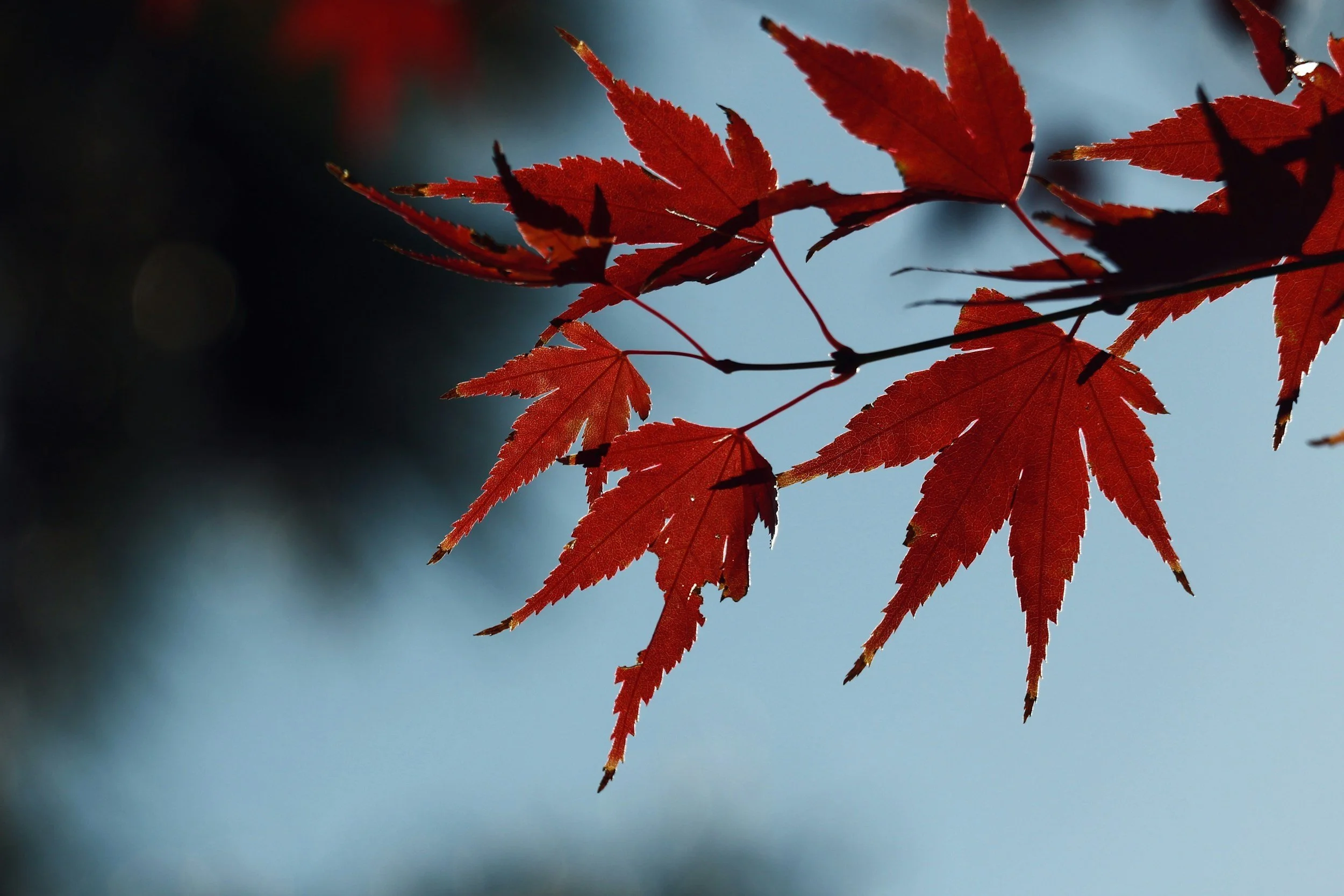
Maples grow leaves in opposites
Learning from Trees - 7 - Alternate or Opposite as a Way of Being
Symmetry and density or space and balance
Based on “The Candelabra Lesson (AY 18)” by Moshe Feldenkrais
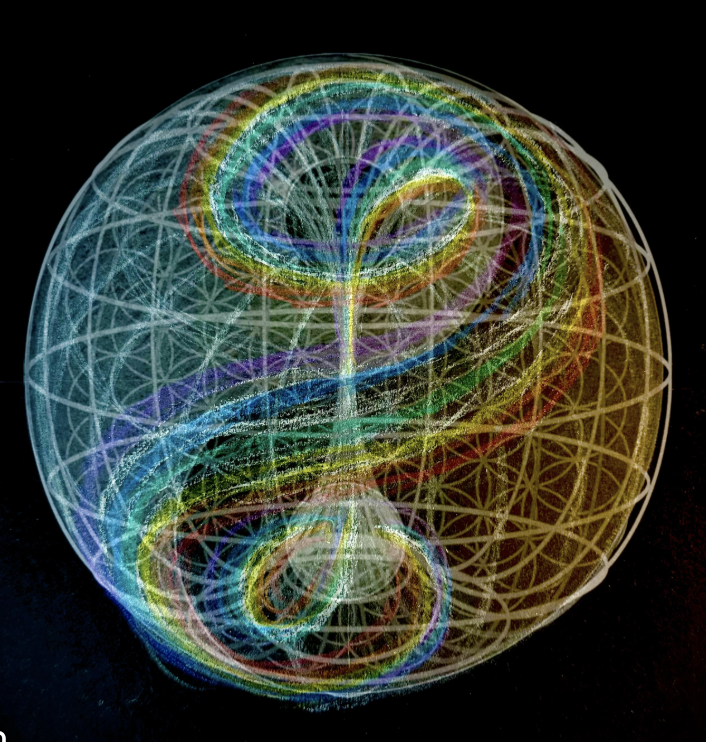
The energetic torus of a plant as water ascends and food circulates and descends.
This is pontificating, don’t take it for fact…
Plants and animals have made fundamental structural decisions: symmetric, alternate or whorled. Most animals (there might be exceptions but I am not that interested to research that deeply) have opted for symmetric architectures: appendages at the same height on opposite sides of the body.
About 20% of trees also structure themselves with the opposite configuration. Seventy five percent of trees have opted for the alternate configuration. Less than 5% of flowering plants have a whorled configuration.
Trees with alternate leaves include oaks, elms, birches, cherries, willows, sweetgum, tulip trees, hackberries, and mulberries. Alternate arrangement means each leaf grows from a different point on the branch, staggered rather than in pairs. An alternating leaf pattern lets a plant catch more sunlight by stopping upper leaves from casting heavy shadows on lower ones. Spacing the leaves along a stem improves air circulation and balances the weight to keep the stem strong. Think diagonals.
MAD Cap Horses - maples, ashes, dogwoods, viburnums (Caprifoliaceae) and horse chestnuts - affect an opposite leaf pattern. The opposite pattern is structurally stable and balanced. The pattern enables the plant to pack on more foliage, blocking out competitors for light. Some opposite configurations stagger pairs to catch optimal light. Nutrients and water move vertically and split evenly to both sides at nodes for balanced distribution. Think homolateral.
Note: This discussion focuses on deciduous trees or trees that drop their leaves. Actually, the world has more conifer, or needle-leaf trees, but we are not thinking about them here.
This cross-species lesson explores the sensation of alternate/diagonal and opposite/homolateral branch structure through the lens of the famous “candelabra” lesson. Supine, knees bent, arms out with bent elbows on the floor and fingertips reaching up like stems searching for the light, we roll our ‘candelabra’ arms in different patterns and orientations to feel into the opposite and alternate structure patterns.
It’s a stretch, but go with it for the fun.
Science Nerd Candy Bowl:
Alternate, Opposite and Whorled Leaves - Unexpected Larkspur (1:21)
Types of Phyllotaxy | Plant Biology - sci-ology (1:15)
Set up for supine lesson:
Mat on floor with room to reach arms out to sides in both directions
Optional padding for head and knees
Or side sitting on a chair with no arms, knees level with hips, with room to extend arms to the sides
How you might feel after this lesson: Feeling taller with each breath; Experience the lightness of arms and legs being drawn outward; Relating pelvic floor to stability, balance and power; A moment of relationship with nature and trees?