
Learning from Trees - 9 - Spiral and Vertical Growth
one to many branch tubing
One to one root to branch tubing
Learning from Trees - 9 - Spiral and Vertical Growth
Another comparison of “One root, one branch” to “One root, entire crown”
Based on “Minimal Movement of Shoulders and Hips”as taught by Arlyn Zones, GCFT® and “AY #256: Lines crossing and balancing the body” as taught by Olena Nitefort, GCFT®

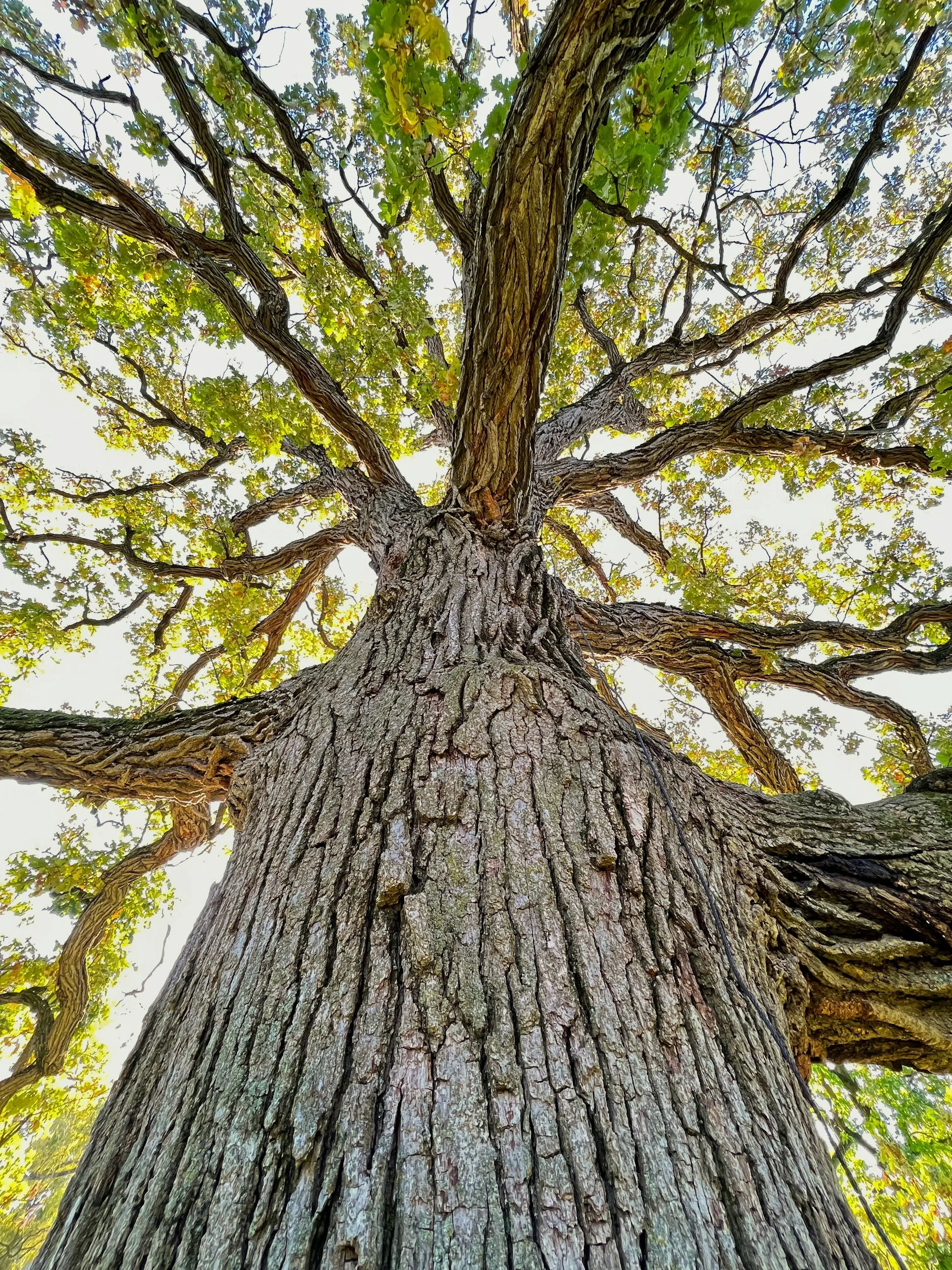
As we have discovered, a vertical line of force architecture is much simpler to manage for trees and for humans. As far as tree tubing goes, most deciduous trees prefer the vertical, one-root-one-branch structure for moving fluids up and down. That approach results in wood that is evenly and vertically grained.
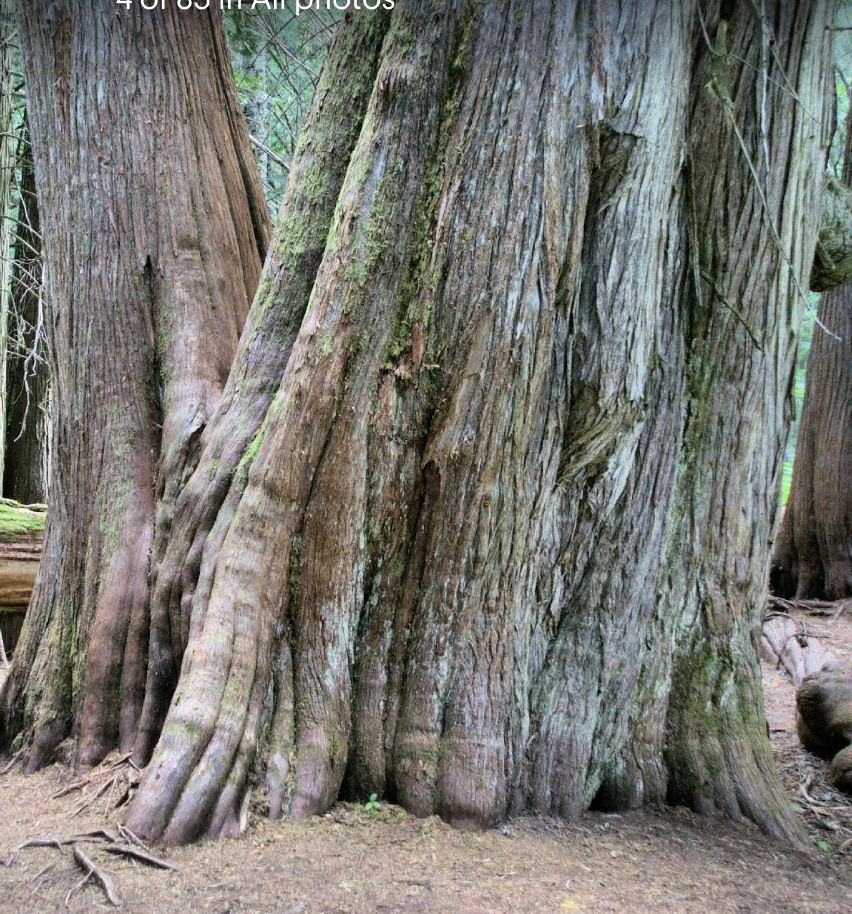
Conifers take a different, more complex approach. They possess specialized adaptations that allow them to thrive and outcompete other trees where conditions are harsh. Their spiral fluid distribution plan enables the tree to run fluids from the root base to the entire crown. They also have waxy needles that resist drought and are ready for photosynthesis as soon as the sun is strong enough. And flexible boughs transfer compression - snow - along the length of the branch, allowing distribution of forces.
Notably, it is the ancient conifer trees that are being razed for their economic value. See When the Forest Breathes, Suzanne Simard for heartbreaking and hopeful information about saving the ancient trees and tree communities.
The human interpretation of the spiral design might be considered the tensegrity model, where forces and fluids and joints connect point to point by diagonals. It’s complicated, very complicated, in humans. We move.

This cross-species lesson continues the exploration of diagonals’ vertical force distribution: up the legs, through the pelvis and into the torso bringing focus to the hip, pelvis, spinal curve, and out through the arms. Imagine yourself an ancient cedar, then oak. Magical.
Science Nerd Candy Bowl:
Boneman Pro - (0.56) a bungee chord model of how the human skeleton moves in vertical and diagonal/spiral direction
13 Amazing Facts About Conifers - HD Video - Arden Tree Farms (4:13) general tutorial on conifers, though no mention of spiral grain nor how roots feed the crown.
Set up for supine lesson:
Mat on floor with support for knees and head as needed
Seated on a chair with knees and hips level
How you might feel after this lesson: Feeling taller with each breath; Experience the lightness of arms and legs being drawn outward; Relating pelvic floor to stability, balance and power; Sense vertical and diagonal force patterns in the body; Feel into the support available by thinking in diagonals; A moment of relationship with nature and trees?