Pelvic Floor Revisited: Spiraling In - 9 - Feet, Floor, Eyes
Pelvic Floor Revisited: Spiraling In - 9 - Feet, Floor and Eyes
Connecting feet to the pelvic floor, with a little guidance from the eyes
Based on “Painting the Floor With the Feet (AY 111) as taught by Anna Johnson, GCFT®

Visualizing the front support system, from leg through pelvis to chest. This support allows you to breathe and move.
Source: Anatomy and Asana: Preventing Yoga
The pelvic floor’s connection to the the psoas and feet goes through the deep front line, a continuous fascial web running from the toes, through the deep pelvic muscles, to the diaphragm and lumbar spine. Foot mechanics—specifically ankle mobility and the big toe—directly dictate how the psoas functions during walking and running. When your back leg extends, optimally the psoas releases as the toe presses down, the ankle bends and the foot flattens on the floor. This connection goes through the fascial network all the way from the big toe to the jaw. Foot tension can weaken the psoas, tighten the lower back and groin, and cause imbalance and pain.

The serratus anterior muscel holds down the shoulder bledes, and is linked to respirtaion as it stabilized the chest enabling the diaphragm to move.
This back and optional tummy lesson is about connecting the foot to the pelvic floor, with eyes watching to further spotlight the connection. Imagining a lovely, creamy, blob of paint under foot, we “foot paint” the floor in the vertical plane, front and back, to connect the ankle to rocking pelvis. Floor-painting horizontally and diagonally, we observe how the ankle adjusts to side-to-side movement, and how that force flows up to the hip socket and into the torso. All the while, breathing and watching. When does the pelvic floor kick in? When does it release? How about when painting circles on the floor?
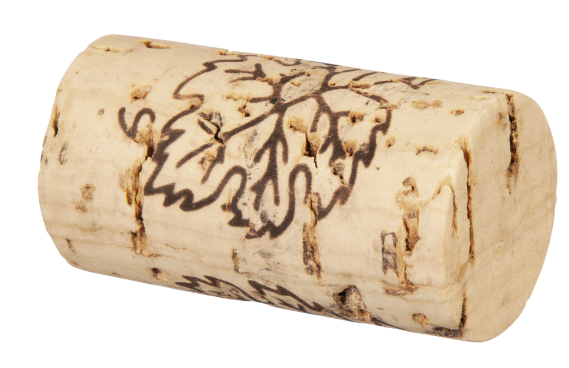
This lesson is yet another opportunity to harmonize pelvic support, ground forces, and breath for power and control. Bring your cork if you like practicing soft face and lips.
Science Nerd Candy Bowl:
Serratus Anterior: Shoulder Series, Part 11 (3D Animation) - Anatomy Lab (2:06) - animation of the serratus anterior as it moves the ribs and shoulder blade
Walk cycle psoas - Anatomy 3D - short animation of psoas and hip movement in walking
Ankle Mobility - Muscle and Motion (0:45) - how the ankle moves
Most Important Bone in Ankle - @pelvicfloortherapy (YouTube Short) ankle supports up and down
Best Psoas & Diaphragm Exercise for Improved Breathing - Tune Up Fitness (5:38) - an anatomical review of the relationship between the psoas, respiratory diaphragm, and pelvic floor (0:32-1:15), demonstration of strengthening exercises very much like this lesson
Set up for supine and prone lesson
Support for knees and back of the head for supine segments, if desired
Extra padding if you like that for lying on your tummy
OR seated in a chair that allows the feet to touch the floor in a 1’ circle around the knees
How you might feel after this lesson: Breathing coordinated with walking; Hips open and comfortably aligned; Legs aligned in hip sockets, with ground forces flowing easily from foot to hip to hand; Shoulders surprisingly released; Upper back and chest looser and more flexible; Sense of when the pelvic floor is relaxing.