The Light Returns - 4 - Seeing Deeply, Connecting Subtly
Light Returns -4 - Seeing Deeply, Connecting Subtly
A deeply relaxing internal anatomy lesson, with your tongue as sensor
Based on "Seeing Clearly, Lesson 6 - Seeing Deeply" by David Webber

This is a very simple lesson in that very little outwardly happens. But what it integrates is profound: tongue as a sensor for consciously placing the eyes in the face/head, tongue as a muscle that can guide the spine, eyes as physical orbs resting in the head, and gravity affecting it all.
Beginning with the tongue: the strongest, most complex muscle in the entire body, able to move in three separate directions. This incredible muscle’s use and placement can affect breathing (nose versus mouth breather!), posture, jaw alignment, tooth development, facial muscles, sleep, and diaphragmatic alignment, pelvic floor, and ultimately, posture. The tongue takes up a ginormous percentage of the motor cortex.

If you think of the tongue as the outmost extension of the spine, then it makes sense that an extending and moving tongue extends and loosens the spine. The tongue isn’t exactly attached to the spine. However, with webs of tough tissue and mucosa attaching it to the jaw in the front and the hyoid bone anchoring it in the back, it has a lot of pull. For the highest-performing athletes, tongue posture (yes, its a thing) can create the tiniest competitive edge by refining the alignment of head and spine, and encouraging nasal breathing.

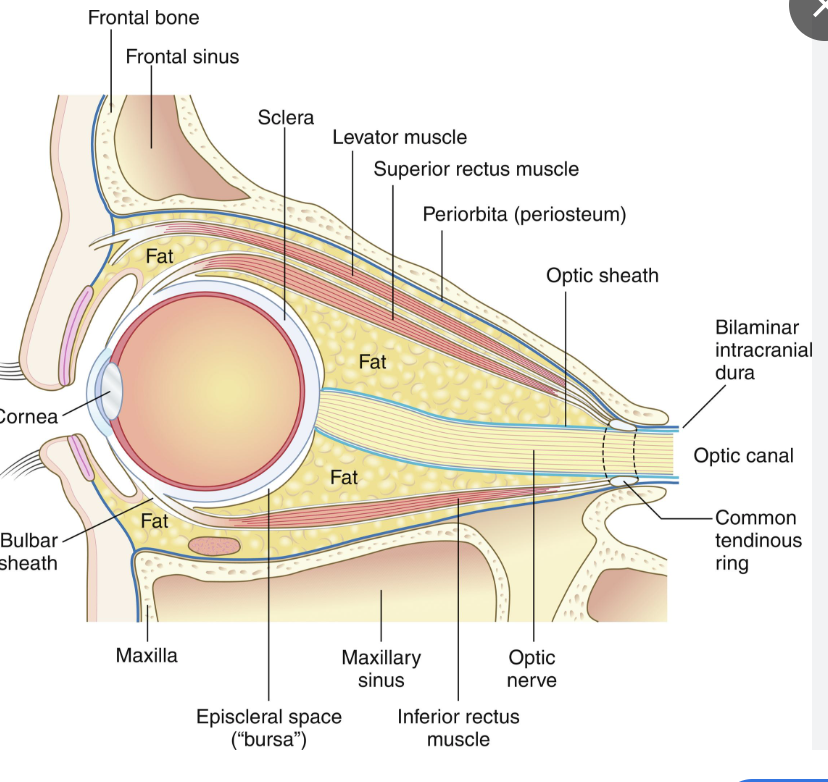
Now imagine that nerve-rich, flexible, mobile tongue as a sensor for where the eyes rest in their sockets, just above the palate. Eye socket bones are arranged into a roof, floor and walls that range in structure from thick (at the back and front) to thin (floor and walls). Several openings in the orbital bones allow for nerves, veins, arteries and ganglion to pass through.
This lesson first loosens up the tongue with some inside-the-mouth stretches and posture exercises. Then we use the incredibly sensitive tongue tip to trace where the orbs of the eyes rest atop the roof of the mouth. This internal anatomy lesson - in different orientations to gravity - is profoundly relaxing, Deep within the lesson, not specifically called out but fascinating, is the subtle connect between the tongue/spine and the eyes, affecting posture, balance, agility and more. Deep, baby. Very deep.
Science Nerd Candy Bowl:
Lots of rich content embedded in previous tongue-related lessons
Set Up for Supine and Side-Lying Lesson:
Lie on a mat with support for your head as you rest on your back and roll to lie on one side, then the other
Or sit on a chair with knees and hips level
How you might feel after this lesson: Tranced-in; Face, neck, and shoulders deeply relaxed; Strong internal sense of how the eyes rest in the head in different orientations to gravity, Potentially conscious connection between the tongue and eyes; Increased awareness of how the tongue affects facial relaxation; New practice for releasing eye tension.
Wednesday 9:30 am or 6:30 pm class registration, keep using it. $40/month; $15/single lesson. PayPal or Venmo to jackisue@aol.com. Or check to Jacki Katzman, PO Box 116, Bethlehem, NH 03574
To registration, Click Here